
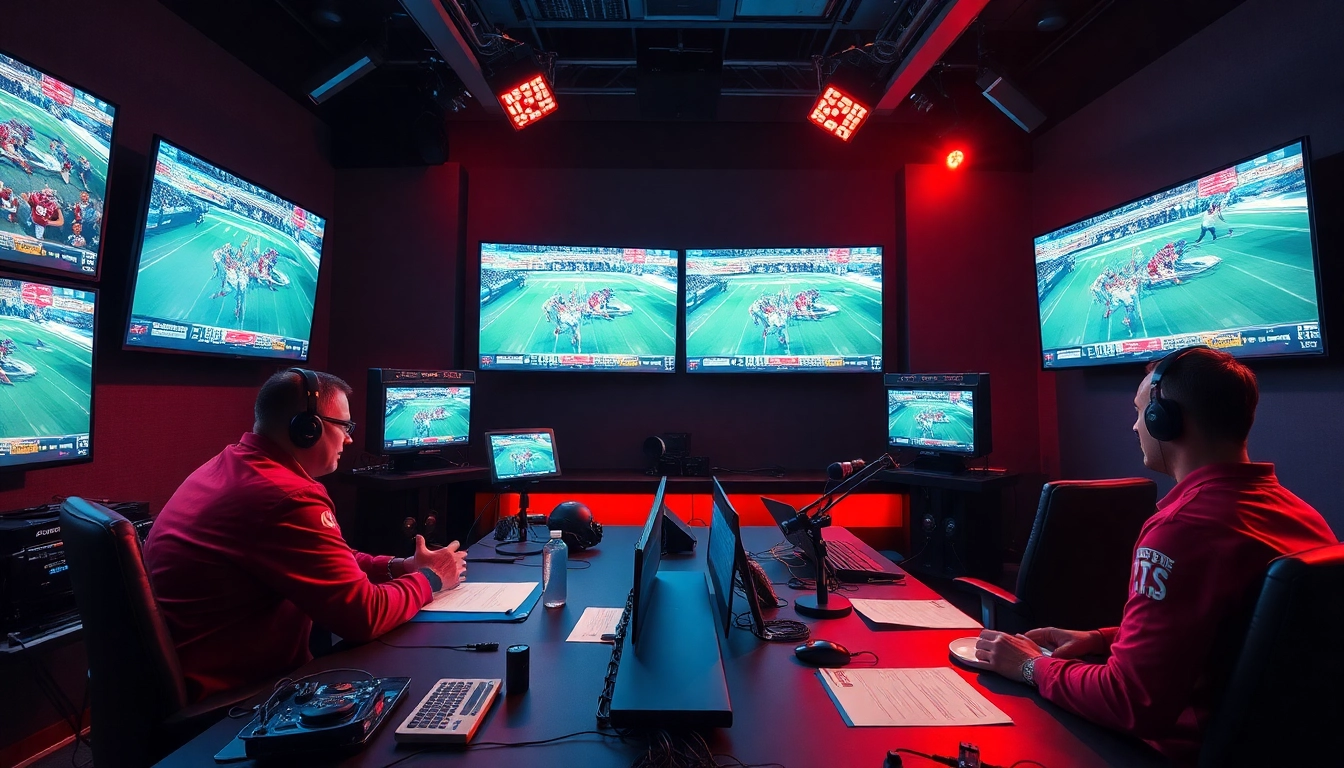
Understanding Sports Broadcasting Fundamentals
Definition and Importance of Sports Broadcasting
Sports broadcasting refers to the live streaming, television, or radio transmission of sporting events, where commentary, analysis, and coverage of the game are provided for audiences. This medium serves as a critical bridge connecting fans to their favorite sports, allowing them to experience the excitement of live events from anywhere globally. The importance of sports broadcasting lies not only in its ability to entertain but also in its capacity to inform, educate, and foster community among sports enthusiasts. As technology advances, the landscape of the industry has rapidly evolved, making sports broadcasting more accessible and viewer-friendly. Indeed, modern audiences expect a multi-dimensional view of sports content that engages them on various platforms.
Key Roles in Sports Broadcasting
Within sports broadcasting, several crucial roles work collaboratively to ensure a seamless viewing experience. These include:
- Play-by-Play Commentator: This individual describes the action as it unfolds, offering real-time updates and insights that keep viewers engaged.
- Color Commentator: A former athlete or expert in the sport, the color commentator provides analysis, context, and background information that enhances the viewer's understanding of the game.
- Producer: The producer oversees the broadcast, making decisions on the content, timing, and direction of the show, ensuring it runs smoothly.
- Camera Operators and Technicians: These team members are responsible for the technical aspects of the broadcast, capturing the game from multiple angles and ensuring high-quality transmission.
- Graphic Designers: Responsible for creating visually compelling graphics and statistics that add depth to the commentary and engage viewers more dynamically.
Technology in Sports Broadcasting
The integration of technology has tremendously transformed sports broadcasting. High-definition video, instant replays, and sophisticated audio systems have enhanced the viewing experience. Notably, innovations like virtual reality (VR), augmented reality (AR), and 360-degree video are also paving the way for more immersive events. For instance, VR allows fans to feel as though they are part of the action, sitting within the stadium or even on the sidelines.
Furthermore, the advent of artificial intelligence (AI) is revolutionizing content delivery. AI-driven analytics tools help broadcasters provide in-depth analysis, predict game outcomes, and enhance viewer engagement. In this digital age, streaming platforms have redefined how audiences consume sports content, leading to the growth of Sports Broadcasting beyond traditional means.
Essential Skills for Sports Broadcasters
Communication Techniques in Sports Broadcasting
Being an effective sports broadcaster requires impeccable communication skills. Broadcasters must articulate their thoughts clearly and concisely while engaging the audience emotionally. Techniques such as vocal modulation, pacing, and inflection play a significant role in maintaining viewer interest. Moreover, incorporating storytelling elements can elevate commentary, allowing audiences to connect with the narrative of the game.
Building Rapport with Audiences
Building rapport fosters audience loyalty. Broadcasters should aim to establish a personal connection with viewers, often through relatable anecdotes or shared passion for the sport. This relationship can be strengthened through social media interactions, encouraging feedback, and responding to viewer queries. A broadcaster who feels genuine enthusiasm for the sport can significantly enhance viewer engagement.
Research Skills for Informed Commentary
Comprehensive research is a cornerstone of informed commentary. Broadcasters must be knowledgeable not only about current events but also about historical contexts, statistics, and player backgrounds. Mastering the art of quick research while on-air, using notes or resources like statistics databases, allows them to provide real-time insights that enrich the viewing experience.
Advanced Techniques in Sports Broadcasting
Utilizing Social Media for Enhanced Engagement
Social media is an invaluable tool for sports broadcasters to connect with their audience. Platforms like Twitter, Instagram, and Facebook enable broadcasters to share real-time updates, engage with fans through polls and Q&A sessions, and amplify coverage through behind-the-scenes content. These interactions create a community around the broadcast, enhancing overall viewer experience and loyalty.
Incorporating Data Analytics in Commentary
Data analytics has become a pivotal element in sports broadcasting. By utilizing advanced analytics, broadcasters can access valuable insights that inform their commentary. For example, discussing player performance metrics, predictive analytics, and historical game data enrich the viewer's understanding of the game dynamics. Presenting this data through visuals, such as infographics during broadcasts, can further enhance viewer engagement.
Covering Live Events: Best Practices
Covering live events requires careful preparation and the ability to think on one's feet. Broadcasters should arrive early to familiarize themselves with the venue and assess technical setups. Continual communication with the production team is vital to address any unforeseen issues. Moreover, maintaining a calm and composed demeanor during unexpected events (e.g., technical difficulties or game stoppages) helps manage viewer perception and keeps the broadcast professional.
Challenges in the Sports Broadcasting Industry
Navigating Technical Difficulties
Technical difficulties can disrupt live broadcasts. From equipment malfunctions to poor internet connectivity, such challenges require a strategic approach to mitigate impact. Having backup systems and protocols in place, such as alternative feeds and pre-recorded segments, can save the broadcast when technical issues arise.
Maintaining Audience Engagement During Low Points
During games that lack excitement, such as one-sided affairs or lengthy pauses, maintaining audience engagement can be challenging. Broadcasters can pivot by sharing stories about players, discussing broader team strategies, and even incorporating viewer comments or polls to keep the audience interactive during these lulls.
Handling Controversies and Criticism
In the fast-paced world of sports, controversies can arise that demand immediate and thoughtful responses from broadcasters. Navigating these situations calls for professionalism and sensitivity. Transparency, timely responses, and a commitment to factual reporting can help mitigate backlash while maintaining credibility. Engaging with the audience regarding their sentiments, without inflaming tensions, is a delicate but necessary balance.
Future Trends in Sports Broadcasting
Impact of Virtual Reality on Sports Broadcasting
Virtual reality is poised to redefine sports broadcasting by offering immersive experiences that transcend traditional views. Fans will not only watch the game but feel as if they are part of it, exploring different viewpoints and engaging in interactive experiences. As VR technology becomes widely adopted, broadcasters will need to adapt their content strategies to leverage this immersive platform effectively.
OTT Platforms and Their Role
Over-the-top (OTT) streaming platforms are reshaping how audiences access sports content, providing flexibility and personalized viewing experiences. This shift necessitates that traditional broadcasters engage with OTT strategies, offering customizable packages, on-demand replays, and interactive features that enhance viewer satisfaction.
Adapting to Changing Viewer Preferences
As viewer preferences shift toward on-demand, mobile, and interactive content, sports broadcasters must remain adaptable. This includes tailoring formats to suit diverse platforms, employing data-driven marketing strategies to reach niche audiences, and developing engaging content that resonates with various demographics. Understanding and predicting trends will ensure broadcasters remain relevant amid rapidly changing viewer behaviors.
Frequently Asked Questions
What is the main role of a sports broadcaster?
The primary role of a sports broadcaster is to provide live commentary and analysis during sporting events, ensuring that viewers are well-informed and engaged throughout the broadcast.
What skills are essential for a successful sports broadcaster?
Essential skills for sports broadcasters include excellent communication, research abilities, emotional intelligence for audience engagement, and proficiency with technology used in broadcasting.
How has technology changed sports broadcasting?
Technology has revolutionized sports broadcasting by enhancing the viewer experience through high-definition visuals, instant replays, VR, and interactive viewer engagement tools on digital platforms.
What challenges do sports broadcasters face?
Challenges can include technical difficulties during live broadcasts, maintaining viewer interest during low-action moments, and addressing controversies or criticism professionally.
What is the future of sports broadcasting?
The future of sports broadcasting will likely be shaped by advanced technologies like VR, personalized OTT experiences, and the need to adapt content to evolving viewer preferences across different platforms.